Scratching in the attic at 2 a.m., a raccoon rummaging through the trash every night, or a family of squirrels that has decided the space above the garage makes a perfectly good nursery — wildlife intrusions have a way of announcing themselves at the worst possible times. Aronson Pest Control LLC provides humane wildlife trapping services for homeowners across Washington and Oregon, and this guide covers how to recognize a wildlife problem, what removal actually involves, and how to keep animals from coming back.
Common Wildlife Intruders in Washington and Oregon
Raccoons
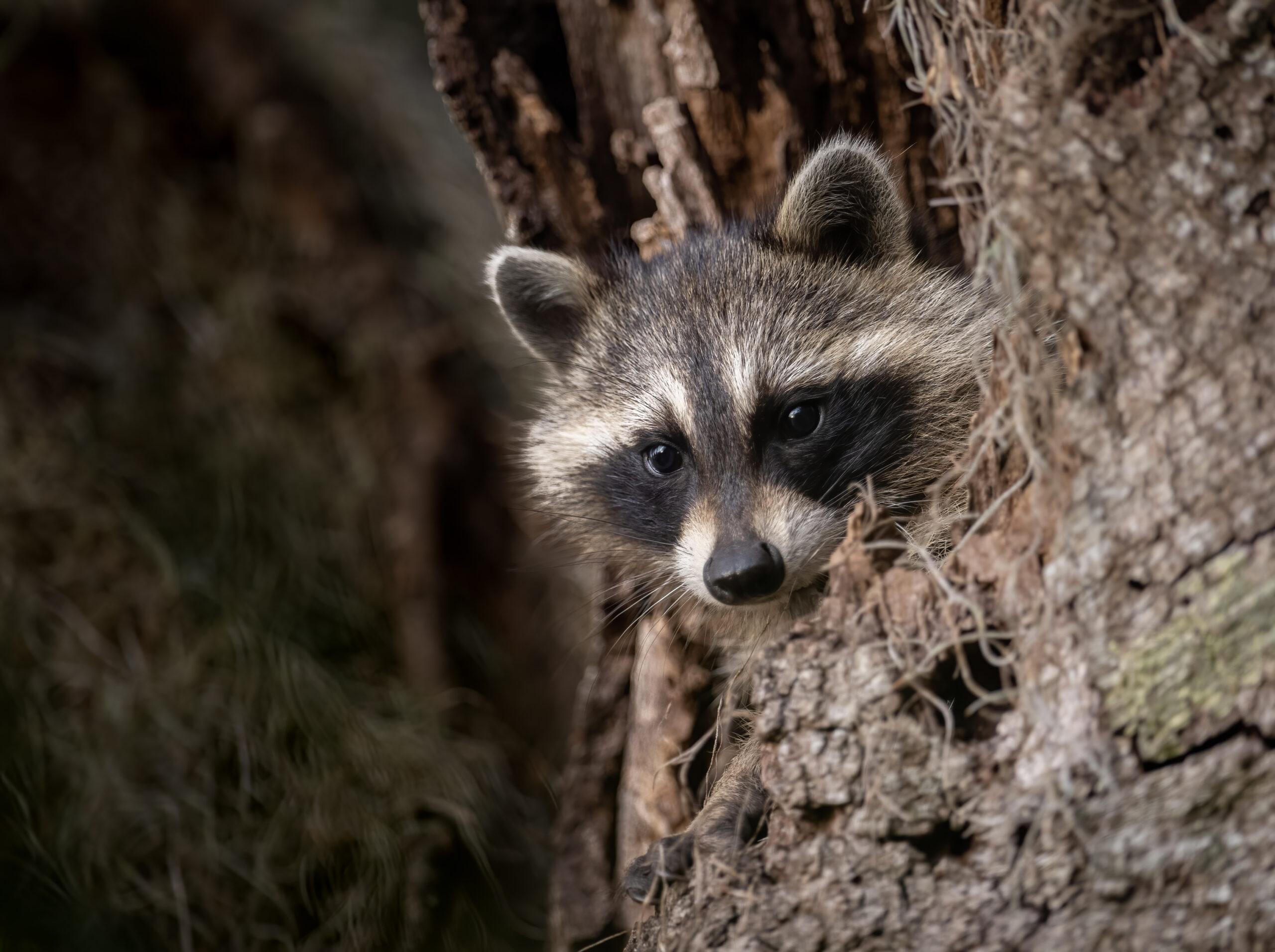
Highly intelligent and surprisingly strong, raccoons often find their way into attics, chimneys, and crawlspaces, especially in the spring when females are looking for a safe place to raise young.
Squirrels
Persistent chewers, squirrels can gnaw through soffits, fascia boards, and even electrical wiring to gain access to an attic, creating both a nuisance and a genuine fire hazard.
Opossums
Often found in crawlspaces, garages, or under decks, opossums are generally more of a nuisance than a threat, but they can still cause property damage and leave droppings that create sanitation concerns.
Rodents
Mice and rats squeeze through remarkably small openings and reproduce quickly, making early intervention important before a small problem becomes a larger infestation.
Birds and Bats
Nesting in vents, chimneys, or eaves, birds and bats can create blockages, noise, and in the case of bats, health concerns related to droppings accumulating in enclosed spaces.
Signs You Have a Wildlife Problem
- Scratching or scurrying sounds, particularly at dawn or dusk when many wildlife species are most active.
- Visible entry points, such as gaps in soffits, damaged vents, or chewed openings around the roofline.
- Droppings in the attic, garage, or crawlspace, which can also indicate the type of animal present.
- Unpleasant odors, often from urine, droppings, or in more serious cases, a deceased animal trapped in an inaccessible space.
- Visible damage to insulation, wiring, or wood structures, which wildlife can cause while nesting or searching for food.
The Wildlife Trapping and Removal Process
- Inspection — A technician assesses the property to identify entry points, determine the type of animal involved, and evaluate the extent of any damage.
- Humane Trapping — Traps are placed in locations where the animal is active, using methods appropriate to the species and compliant with state wildlife regulations.
- Safe Relocation or Exclusion — Depending on local regulations and the situation, trapped animals are relocated or excluded from the property in accordance with humane and legal standards.
- Entry Point Sealing — Once the animal has been removed, identified entry points are sealed to prevent the same or new animals from getting back in.
- Cleanup and Sanitation — Affected areas, particularly attics or crawlspaces with significant droppings or nesting material, are cleaned to address sanitation concerns and odors.
- Follow-Up — Traps are checked regularly until the animal has been successfully removed, and a final inspection confirms the property is secure.
Why Humane Methods Matter
Wildlife trapping isn’t just about getting an animal out of a home — it’s about doing so safely, legally, and without unnecessary harm to the animal. Washington and Oregon both regulate how nuisance wildlife can be trapped and relocated, and using improper methods can create legal issues in addition to being inhumane. A professional trapping service understands these regulations and uses techniques designed to resolve the problem responsibly, which also tends to be more effective than DIY approaches that often fail to fully solve the underlying issue.
Why DIY Wildlife Removal Often Falls Short
It’s tempting to pick up a trap from a hardware store and handle a raccoon or squirrel problem independently, but wildlife removal is trickier than it looks. Animals can be surprisingly good at avoiding traps that aren’t placed correctly, and handling wildlife directly carries real risk of injury or exposure to diseases like rabies. Even when a DIY trapping attempt succeeds, without professional exclusion work sealing the entry points, another animal often moves in within weeks, restarting the whole problem.
Preventing Future Wildlife Problems
- Seal potential entry points around the roofline, foundation, and vents before animals find them.
- Trim tree branches that overhang the roof, since many animals use them as a bridge onto the house.
- Secure trash cans with tight-fitting lids to avoid attracting raccoons and opossums looking for an easy meal.
- Install chimney caps and vent covers to block common entry points for birds, bats, and small mammals.
- Address attic and crawlspace vulnerabilities identified during a professional inspection before they become active entry points.
How to Choose a Wildlife Trapping Service
- Proper licensing — Wildlife trapping is regulated, so confirming a company is licensed for humane trapping in your state matters.
- A complete process, not just trapping — A company that also handles exclusion, cleanup, and prevention addresses the full problem rather than a temporary fix.
- Experience with a range of species — Different animals require different trapping approaches, so broad experience is a good sign.
- Clear communication — A trustworthy service explains what’s happening at each step, from inspection through final resolution.
Frequently Asked Questions
How long does wildlife trapping typically take? This varies by species and situation, but many trapping cases resolve within a few days to a couple of weeks, depending on the animal’s behavior and how quickly it enters the trap.
Is wildlife trapping safe for pets and children? Professional trapping services use methods and trap placement designed to minimize risk to pets and children, and technicians can advise on any precautions specific to your property.
What happens to animals after they’re trapped? Depending on species and state regulations, animals may be relocated to an appropriate habitat or handled according to local wildlife management guidelines.
Can wildlife get back into my home after removal? If entry points aren’t sealed after removal, yes — which is why professional exclusion work is such an important part of a complete wildlife removal service.
Do I need a wildlife inspection if I haven’t seen an animal, just heard noises? Yes. Sounds like scratching or movement in the attic are often the first sign of a wildlife problem, and an inspection can confirm what’s there before damage worsens.
Final Thoughts
Wildlife in the attic or crawlspace rarely resolves itself, and delaying action typically means more property damage and a longer, more difficult removal process. Humane trapping combined with proper exclusion work gives homeowners the best chance of solving the problem for good rather than dealing with it again in a few months.
If you’re hearing noises or seeing signs of wildlife on your property, Aronson Pest Control LLC provides humane, licensed wildlife removal throughout Kelso, Chehalis, Longview, Woodland, Castle Rock, and the surrounding Washington and Oregon communities.