Scratching noises in the attic just after dark. A raccoon that’s decided your garbage cans are a regular stop. Squirrels that keep finding a way into the crawl space no matter how many times the opening gets patched. Wildlife has a way of finding the path of least resistance into a home, and understanding what’s behind these encounters can help homeowners respond safely and effectively with professional wildlife trapping.
In this guide, Aronson Pest Control LLC walks through the most common wildlife issues homeowners face, how humane trapping works, and what to expect from the process.
Why Prompt Wildlife Trapping Matters
It’s easy to assume a wild animal sighting is a one-time occurrence, but wildlife that’s found a reliable food or shelter source rarely leaves on its own. An animal nesting in an attic or crawl space can cause ongoing damage to insulation, wiring, and structural materials the longer it stays. Wildlife can also carry parasites or diseases that pose a risk to household members and pets. Addressing a wildlife problem promptly, with a humane and legally compliant approach, helps homeowners avoid the more extensive property damage and health risks that can follow when the issue is left unaddressed.
Common Wildlife Problems
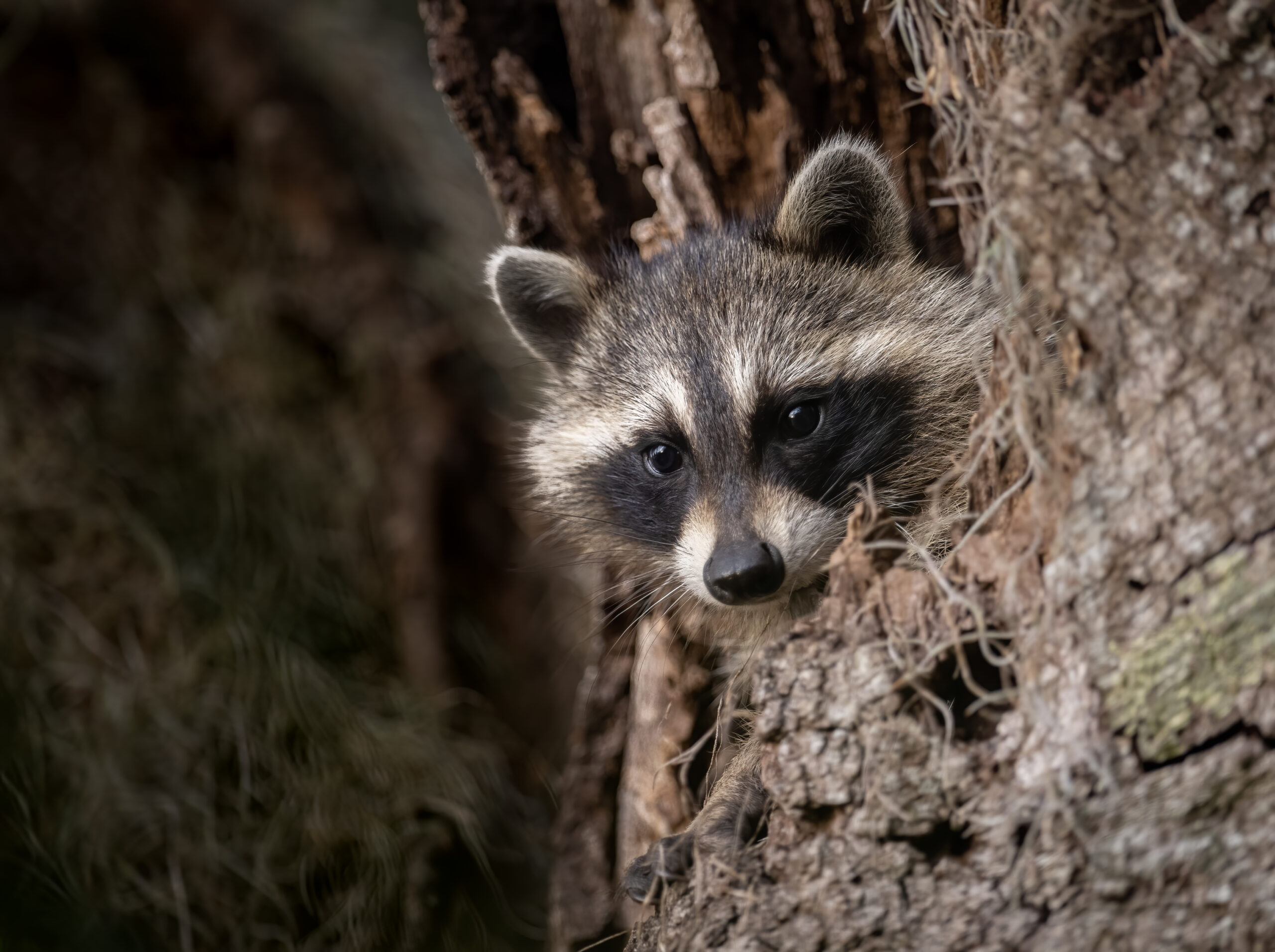
Raccoons
Raccoons are drawn to easy food sources like garbage cans and pet food, and they’re skilled at finding entry points into attics, chimneys, and crawl spaces. Once inside, they can cause significant damage to insulation and ductwork.
Squirrels
Squirrels often gain access to attics through small gaps in rooflines or vents, and once inside, they can chew through wiring and wood, creating both damage and fire hazard concerns.
Rodents
Rats and mice can squeeze through surprisingly small openings and multiply quickly once established. Beyond property damage, they can contaminate food storage areas and carry disease.
Opossums
Opossums often seek shelter under decks, porches, or in crawl spaces. While generally not aggressive, their presence can still create sanitation concerns and structural nuisance.
Bats
Bats can enter homes through small gaps near rooflines and eaves, often going unnoticed until droppings or unusual sounds are noticed in an attic space. Bat colonies require specialized, humane removal approaches due to their protected status in many areas.
Skunks
Skunks are commonly drawn to burrow under sheds, decks, or foundations, and their presence often becomes apparent through odor before they’re ever seen directly.
Signs You May Have a Wildlife Problem
One of the most common questions homeowners have is how to tell whether unusual noises or damage point to a wildlife issue. A few signs typically point to an active problem:
Unusual Noises Scratching, scurrying, or thumping sounds in the attic, walls, or crawl space, especially at dawn or dusk, often indicate wildlife activity.
Visible Entry Points Gaps, holes, or damaged vents around the roofline, foundation, or siding can serve as entry points and are worth inspecting if other signs are present.
Droppings or Nesting Material Finding droppings, shredded insulation, or nesting material in an attic or crawl space is a clear indicator that an animal has taken up residence.
Damage to Property Chewed wiring, damaged ductwork, or torn insulation are common signs of wildlife activity, particularly from rodents and squirrels.
A professional inspection is the best way to confirm which type of wildlife is present and determine the appropriate trapping and exclusion approach.
What to Expect During Professional Wildlife Trapping
1. Inspection A technician inspects the property to identify the type of wildlife present, entry points, and the extent of any damage already caused.
2. Clear Explanation and Estimate You’ll receive a straightforward explanation of the recommended approach along with transparent pricing before any work begins.
3. Humane Trapping Using safe, humane trapping methods appropriate to the specific animal, the technician works to remove the wildlife from the property in compliance with local regulations.
4. Exclusion and Entry Point Sealing Once the animal has been removed, identified entry points are sealed to prevent future access and re-infestation.
5. Follow-Up Traps are monitored and checked as needed to confirm the wildlife issue has been fully resolved before the process is considered complete.
Preventing Future Wildlife Problems
- Seal gaps and openings around the roofline, foundation, and vents before wildlife can find them
- Keep garbage cans secured with tight-fitting lids to avoid attracting raccoons and other animals
- Trim tree branches that overhang the roof, which can provide easy access for squirrels
- Store pet food indoors rather than leaving it accessible outside overnight
- Address any signs of wildlife activity promptly rather than waiting to see if it resolves on its own
How to Choose the Right Wildlife Trapping Company
Not every pest control company brings the same level of expertise to wildlife trapping. When choosing a provider, consider the following:
- Humane and Legally Compliant Methods — A trustworthy company uses safe, humane trapping approaches that comply with local wildlife regulations.
- Experience Across Species — Comfort handling a range of wildlife, from raccoons to bats, ensures the right approach for your specific situation.
- Exclusion Expertise — A company that seals entry points after trapping addresses the root cause, not just the immediate animal.
- Transparent Pricing — Clear, upfront estimates before any work begins help avoid unpleasant surprises.
- Fast Response Times — Wildlife issues can escalate quickly, so prompt scheduling matters.
Frequently Asked Questions
How much does wildlife trapping typically cost? Cost depends on the type of wildlife, the extent of the problem, and any needed exclusion work. A technician can provide an accurate estimate after an inspection.
Is wildlife trapping humane? Yes, professional wildlife trapping uses humane methods designed to safely capture and relocate animals in compliance with local and state regulations.
How do I know what kind of animal is in my attic? The type of noise, timing of activity, and any visible droppings or damage can offer clues, but a professional inspection is the most reliable way to confirm the specific animal.
Will sealing entry points really keep wildlife out permanently? Sealing entry points significantly reduces the risk of re-infestation, though ongoing vigilance and maintenance of the property’s exterior helps ensure new access points don’t develop over time.
Are bats treated differently from other wildlife? Yes. Bats are often protected under state or local regulations, requiring specialized, humane exclusion methods and specific timing to avoid harming maternity colonies.
What should I do if I find a wild animal in my home? Avoid attempting to handle or remove the animal yourself, and contact a professional wildlife trapping service to safely and humanely address the situation.
Final Thoughts
Wildlife encounters can escalate quickly from an occasional sighting to an established problem causing real property damage, which is why a prompt, professional response matters. Understanding the signs of common wildlife issues, knowing what to expect from humane trapping, and taking preventive steps around your property all help homeowners protect their home while treating wildlife safely and responsibly.
Whether you’re dealing with an active wildlife issue or want to prevent one before it starts, Aronson Pest Control LLC is ready to help — serving Castle Rock, Kelso, Chehalis, Longview, Woodland, and the surrounding Washington and Oregon communities.